
Operator first. Independent by design.
Logistics × AI,
Done Right.
AI works when the operation underneath it works.
We help logistics and retail leaders solve complex operational problems, make better technology decisions, and turn AI into measurable impact.
Operating experience
- Walmart
- 4,000+StoresLast-mile & supply chainWalmart
- 7-Eleven
- $600M+P&LDigital delivery7-Eleven
- Alto
- 30%Cost reductionLast-mile transformationAlto
- Startup → Enterprise Scale
- 20+YearsStrategy + Ops + TechStartup → Enterprise Scale
Who we work with
For operators and leadership teams across logistics, supply chain, last-mile and retail operations.
Deciding where to start
AI is a priority, but you need clarity on where it belongs and where it can actually create value.
Value is leaking
You know there's money trapped in the operation through manual work, broken workflows or decisions that don't scale, but can't see exactly where.
Vendor noise
You've heard the vendor pitches. What you need now is an operator's view of what to fix, what to buy, and what to avoid.
Across retailers, shippers, 3PLs, carriers, forwarders and brokers.
Work with us
Two ways to work together.
Transformation
When the problem needs to be understood.
For complex operational or technology challenges where the right answer isn’t yet clear.
Focused Advisory
When the problem is already defined.
For a specific strategy, decision or initiative where experienced operator perspective can accelerate the answer.
Transformation
For transformation work, we start with a diagnosis, not a decision.
We start with the operation, not a predetermined solution.
Diagnose
We start inside the operation. People. Processes. Data. Systems. We find where value is leaking, quantify the gaps, and determine what actually needs to change.
You leave with
A scored current state
Where the operation stands and what each gap is costing.
A prioritized initiative list
Investment, annual return and payback for each opportunity.
A practical roadmap
What to do first, what comes next and what can wait.
Diagnose is a fixed fee and stands alone.
What happens next depends on what we find
Execute
The answer might be a process change, the right vendor, or targeted tooling when the market doesn’t solve the problem well.
The problem determines the solution, not what we have to sell.
Scale
We help sequence the rollout, measure impact and build the internal capability to keep going.
The goal is a better operation, not dependence on an advisor.
Focused Advisory
Not every problem needs a full Diagnose.
For clearly defined questions, we take on focused engagements where deep operating experience can help teams move faster and make better decisions.
- Last-Mile & Delivery
- Network strategy, delivery economics, partnerships and operating models.
- Membership & Growth
- Membership strategy, retention, value proposition and customer experience.
- AI & Product Strategy
- Use cases, product direction, operating models and build-vs-buy decisions.
- Executive Advisory
- Independent perspective on a specific decision, opportunity or challenge.
Defined problem. Defined scope. Practical answer.
Proof in Practice
From a recent diagnosis
The technology wasn't the problem.
A growing logistics operator believed its technology platform was holding the business back. The diagnosis found the problem somewhere else.
- ZERO
- Quote records across 10,000–15,000 annual quotes
- $100K+
- Delivered work sitting unbilled
- $500K
- Annual opportunity identified in manual workflows
The answer wasn’t a platform rebuild. It was knowing what to fix first.
Client Perspective
“Rohit told us what we needed to hear, not what we wanted to hear. We thought we needed to bolt on new tech; turns out we needed to fix what was already running under the hood. Direct, sharp, and worth it.”
Founder

About
Built from operating experience, not theory.
I’m an operator and strategist with 20+ years across logistics, supply chain, last-mile and technology.
I’ve spent my career running complex operations, building and deploying technology, and making decisions where the outcome ultimately shows up in the P&L.
That experience shaped a simple belief: the foundation is the moat. And that includes the humans behind the technology.
AI works when that foundation works. The best transformations don’t start with a tool. They start by understanding the people, processes, data and decisions that actually run the operation.
That’s the lens I bring to every engagement: operator first and independent of any platform or vendor.
The goal is a better operation, not dependence on an advisor.
Education & credentials
- MBA, Colorado State University
- MS Industrial Engineering, Western Michigan University
- AI Strategies for Business Transformation, Kellogg Executive Education
35+ years making complex transportation operations run better.
Chris Billings is a senior executive and management consultant with more than 35 years across transportation, logistics, operational planning and process improvement.
He spent 18 years with The Walt Disney Company leading transportation planning, airport guest services and industrial engineering, including the design and rollout of Disney’s Magical Express. As a consulting firm president, he has directed more than $400 million in airport security initiatives for the TSA and led logistics planning for a proposed multibillion-dollar entertainment complex.
He pairs strategic vision with hands-on execution to make complex operations measurably better.
Education & credentials
- MBA, Crummer Graduate School of Business at Rollins College
- B.S. Industrial Engineering, Georgia Tech
- Fellow, Institute of Industrial & Systems Engineers (IISE)
- Former Member, Council on Industrial Engineering (CIE)
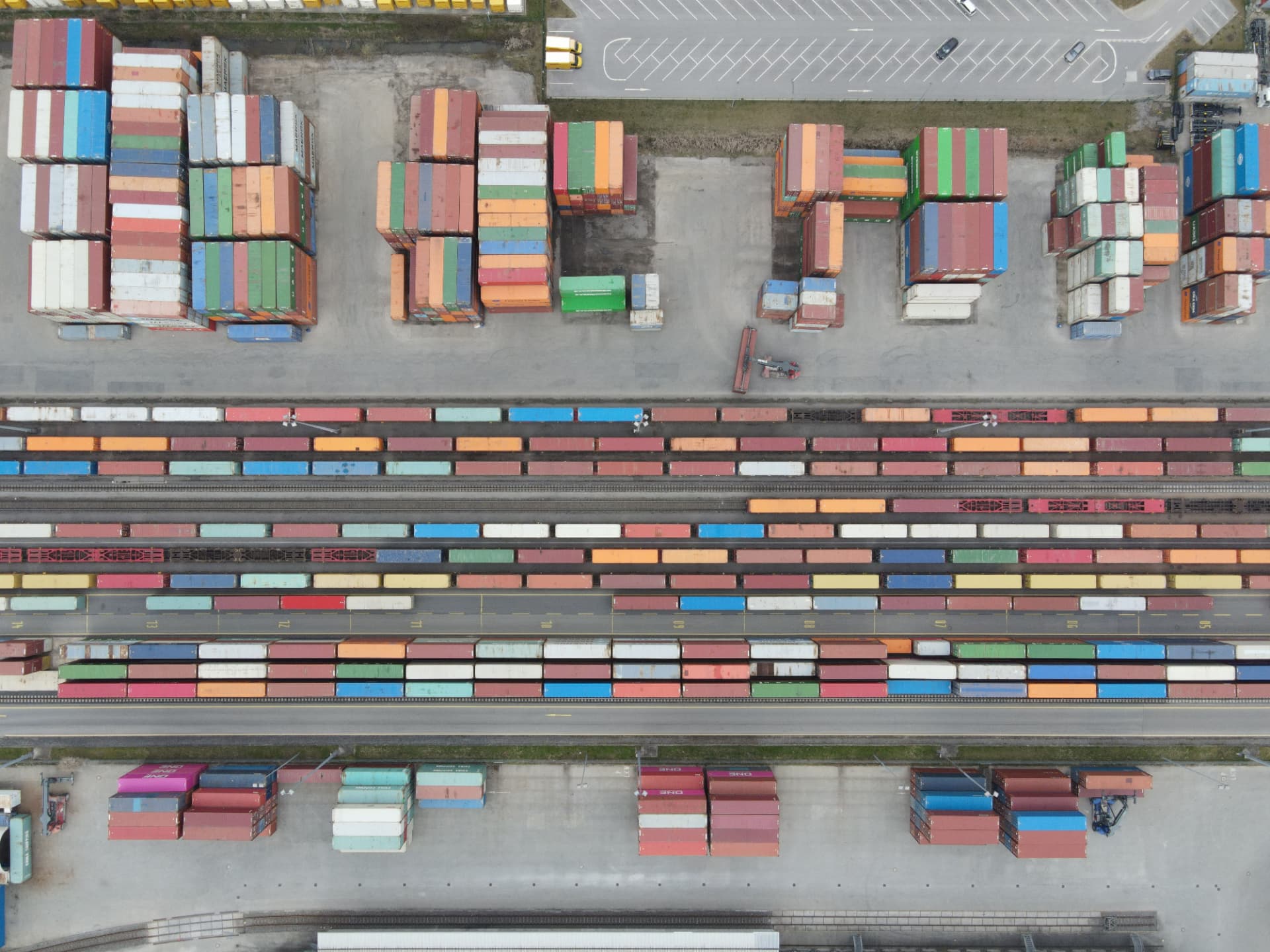
Before the model, the operation. Fix what the technology is standing on.
Common questions
How long does a Diagnose engagement take?
A Diagnose engagement normally runs three to five weeks, depending on the complexity of the operation, data availability, and access to the people and systems involved. Scope and timeline are set upfront so you know what you're getting and when.
What does an engagement with Mulgund Advisory cost?
Diagnose is a fixed fee and stands alone. You can stop there and keep the findings and the roadmap. Any work after that is scoped against what Diagnose actually uncovers, because pricing a rollout before understanding the operation is guesswork. Focused Advisory engagements are scoped separately based on the specific question or work required.
Do you take on smaller advisory projects?
Yes. Not every problem requires a full Diagnose. For focused questions or defined work, we offer targeted advisory engagements with a clear scope and outcome. Ongoing support can also be structured as a retainer.
What do you leave with after Diagnose?
You leave with a clear view of where value is leaking in the operation, what each gap is costing, and what to fix first. Opportunities are sized against investment, return and payback, then sequenced into a practical roadmap your team can act on.
Is it too late if we've already chosen a vendor?
No. Choosing a vendor doesn't close the window. The question shifts from what to buy to where and how to deploy it: whether the rollout is aimed at the right problems, sequenced correctly, and designed around the people who will actually use it.
Do you implement, or only advise?
Mulgund Advisory does both, depending on what the diagnosis calls for. The answer might be a process change, the right vendor, targeted tooling, or hands-on support executing the roadmap. Smaller, focused advisory work and ongoing retainers are also available. The problem determines the solution, not what we have to sell.
Who is Mulgund Advisory the right fit for?
We're most useful to logistics, supply chain and retail operators still asking what they should actually fix, buy, or build, and why. It's likely not a fit if you've already chosen a platform and need implementation labor, want to deploy before understanding the operation, or have an internal team already doing this work.
What do you need from us to start?
Two things: access to the relevant data and systems, and time with the people who actually run the operation. That means not just the steering committee, but the operators doing the work day to day.
Before you buy another tool, understand the operation.
Thirty minutes to understand the problem and whether Diagnose, focused advisory, or another path makes sense.